
Spring Eye Allergies: Symptoms, Causes, & Treatment Options
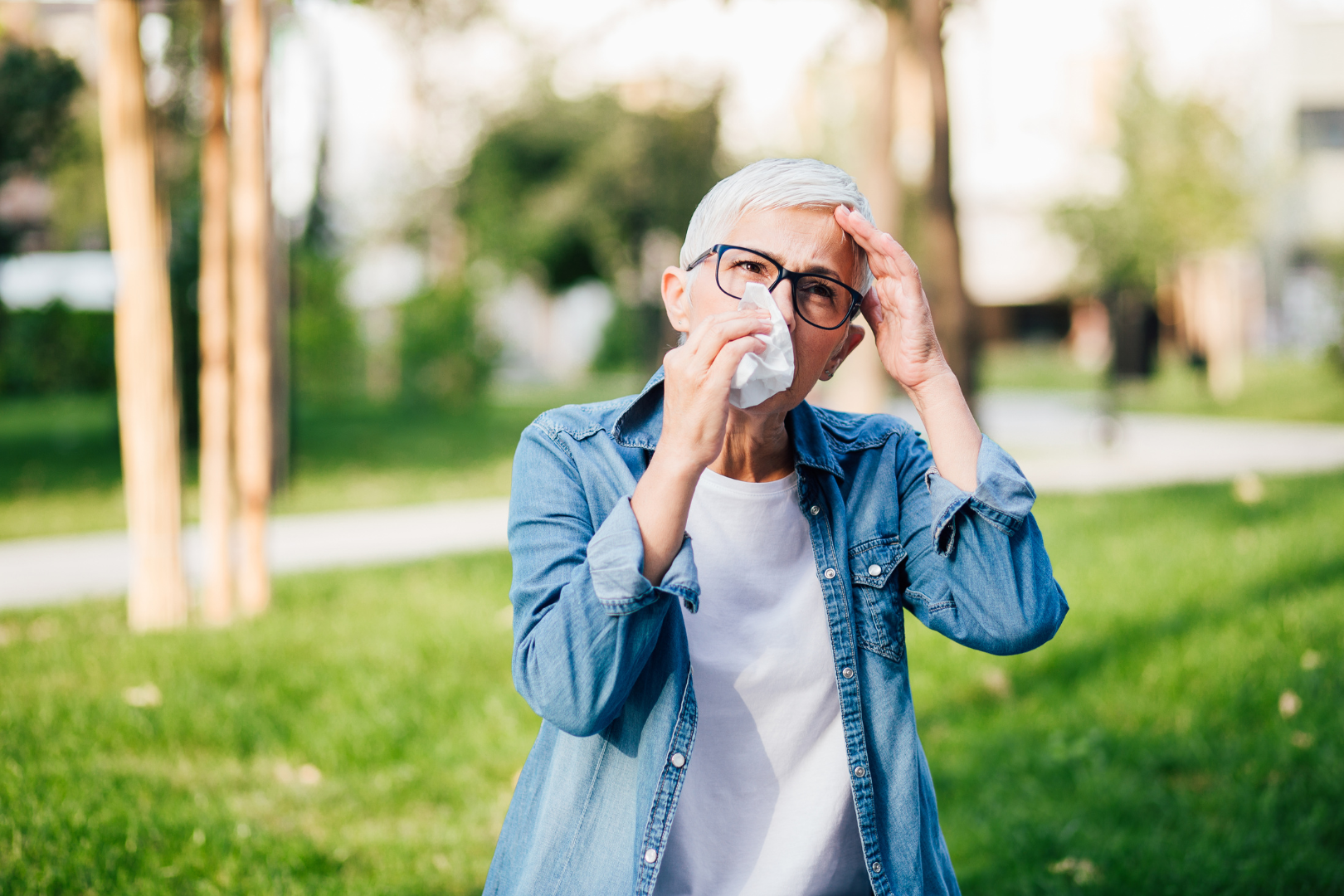
Spring is one of the most beautiful times of year in the Johns Creek area, but for millions of people, it also means itchy, watery, red eyes that just won’t quit. If your eyes are giving you trouble every April, seasonal allergies are likely the culprit. Here’s what’s actually happening and what you can do to feel better fast.
What Causes Seasonal Eye Allergies?
The Role of Pollen & Airborne Allergens
When pollen, mold spores, or other allergens come into contact with your eyes, your immune system reacts by releasing histamines. That reaction is what causes the redness, itching, swelling, and tearing that so many people experience in spring. Tree pollen is especially high in the Southeast during March and April, making this time of year particularly rough for allergy sufferers in Georgia.
Eye Allergies vs. Pink Eye: Know the Difference
One of the most common points of confusion is telling eye allergies apart from pink eye (conjunctivitis). Both can cause redness and discharge, but allergies typically affect both eyes equally, come with itching rather than pain, and are not contagious. If you’re unsure which one you’re dealing with, an eye exam can give you a clear answer and the right treatment plan.
Common Symptoms of Eye Allergies
If you’re experiencing any of the following this spring, seasonal eye allergies may be to blame:
- Persistent itching or burning in one or both eyes
- Watery or teary eyes
- Redness or puffiness around the eyes
- A gritty or uncomfortable sensation
- Sensitivity to light
- Blurred vision that comes and goes
How to Manage & Treat Eye Allergies This Spring
Reduce Your Exposure to Allergens
The simplest way to manage eye allergies is to limit contact with triggers. Keep windows closed on high pollen days, change clothes after spending time outdoors, and avoid rubbing your eyes, as tempting as that is. Rubbing spreads allergens and makes irritation worse.
Use the Right Eye Drops
Over-the-counter antihistamine eye drops can provide short-term relief, but not all eye drops are created equal. Some are designed for dryness, not allergies, and using the wrong kind can actually increase irritation. Your eye doctor can recommend the most effective option for your specific symptoms.
Consider Prescription Treatment
For patients with moderate to severe seasonal eye allergies, prescription eye drops or oral medications may be the better route. These are more targeted and longer-lasting than most OTC options, and they can make a real difference in your quality of life during peak allergy season.
Wear Glasses Instead of Contacts on High Pollen Days
Contact lenses can trap allergens against the surface of your eye, making symptoms significantly worse. On days when pollen counts are high, switching to glasses gives your eyes a break and reduces overall irritation.
Why Choose Johns Creek Eyecare for Allergy Season Relief
Seasonal eye allergies are more than just an inconvenience. When left unmanaged, they can affect your focus, your comfort, and even your vision clarity. Johns Creek Eyecare, we take a comprehensive approach to eye health, not just checking your prescription, but looking at the full picture, including how environmental factors like allergens are affecting your eyes.
Contact Johns Creek Eyecare in Alpharetta, GA, This Allergy Season
You don’t have to suffer through allergy season. Visit Johns Creek Eyecare at 3005 Old Alabama Rd #300 in Alpharetta, GA. Whether you need guidance on the best allergy eye drops, a contact lens adjustment, or a full eye exam, we’re here to help you see clearly and comfortably all spring long.
OPENING HOURS
| Monday-Thursday | 9:00am – 5:00pm |
| Friday | 9:00am – 2:00pm |
| Saturday-Sunday | CLOSED |
