
Your Eye Exam Can Reveal More Than You Think: What Optometrists Look For Beyond Vision
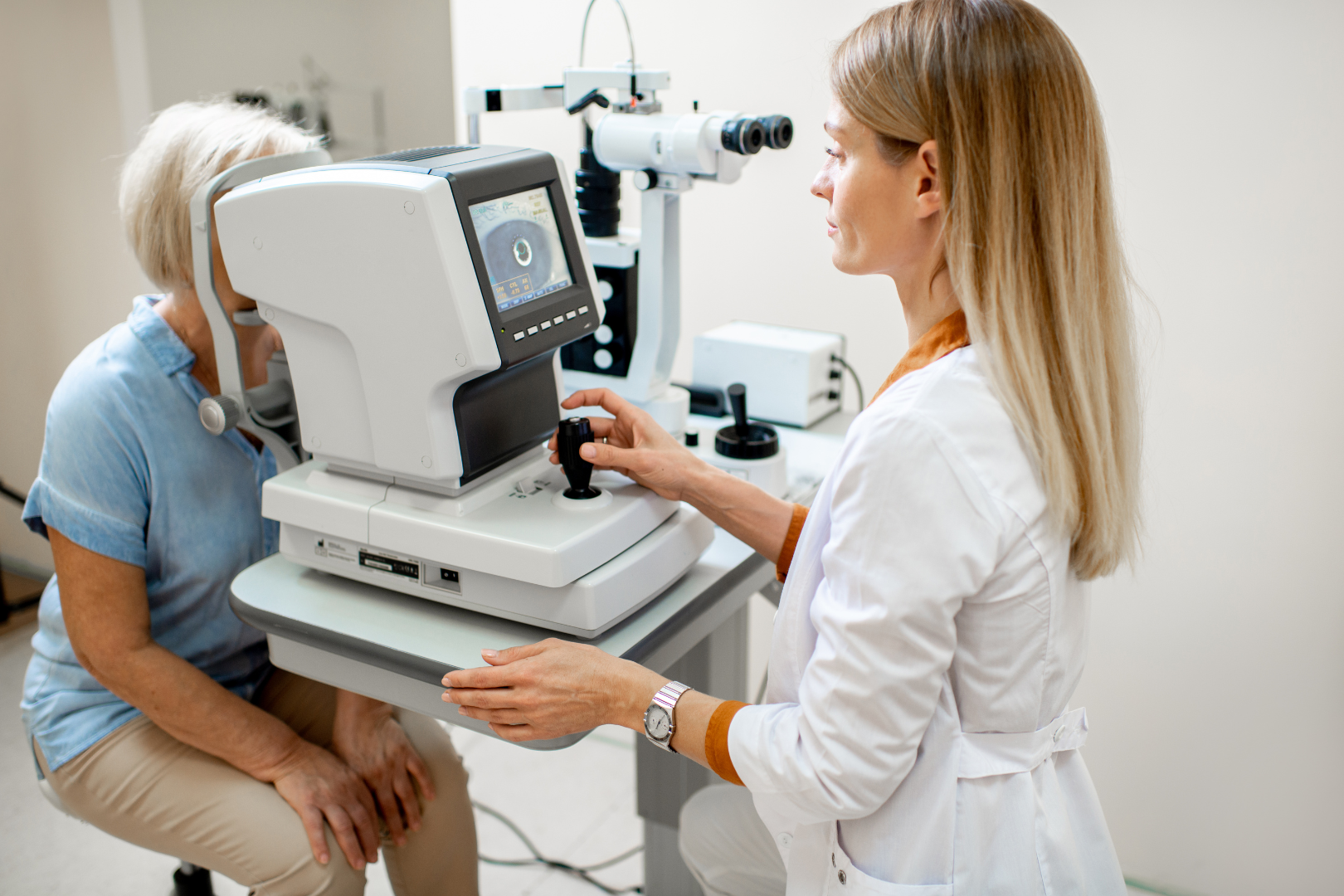
Most people schedule an eye exam when they notice changes in their vision or need a new prescription. What many do not realize is that a comprehensive eye exam does much more than check whether you need corrective lenses. Optometrists are trained to identify signs of serious health conditions during a routine visit, many of which have no obvious symptoms. Here is what your eye doctor is really looking for.
What Happens During a Comprehensive Eye Exam
A comprehensive eye exam evaluates the health of your eyes inside and out, from the surface all the way to the optic nerve and retina. Advanced diagnostic technology gives optometrists a detailed view of structures that cannot be seen with the naked eye, providing a thorough picture of both your vision and your overall ocular health.
Health Conditions Your Eyes Can Reveal
High Blood Pressure
The blood vessels in your eyes are among the smallest in the body and respond visibly to changes in blood pressure. Your optometrist can detect signs of hypertension by examining the retinal blood vessels, often before a patient has received a diagnosis from their primary care physician.
Diabetes & Diabetic Retinopathy
Diabetes affects blood vessels throughout the body, and the retina is one of the first places those effects become visible. Early detection of diabetic retinopathy is critical, as it is one of the leading causes of vision loss in adults.
Glaucoma
Often called the silent thief of sight, glaucoma causes gradual vision loss with few warning signs. During a comprehensive exam, your optometrist measures intraocular pressure and examines the optic nerve for early signs of damage before vision loss progresses.
Macular Degeneration
Early stages of macular degeneration often present no noticeable symptoms, making routine eye exams one of the most important tools for catching it early and slowing its progression.
Thyroid Disease & Neurological Conditions
Thyroid conditions and certain neurological issues including multiple sclerosis can cause visible changes in the eyes. An optometrist who notices these signs can recommend further evaluation and help connect the dots with what may be happening elsewhere in the body.
Why Annual Exams Matter Even When You Feel Fine
Many of the conditions optometrists can detect have no symptoms in their early stages. Feeling fine is not a reliable indicator of eye or overall health. Annual exams give your doctor a baseline to compare against over time, making changes easier to catch early when they are most treatable.
Schedule Your Comprehensive Eye Exam at Johns Creek Eyecare
Johns Creek Eyecare offers comprehensive eye care for patients of all ages in Johns Creek, Alpharetta, and the surrounding communities. Using state-of-the-art diagnostic technology and a patient-centered approach, the team goes beyond vision correction to give you a thorough picture of your health at every visit.
Schedule your appointment today and see what a truly comprehensive eye exam can do for you.
OPENING HOURS
| Monday-Thursday | 9:00am – 5:00pm |
| Friday | 9:00am – 2:00pm |
| Saturday-Sunday | CLOSED |
