
Why Your Eyes Feel Drier in Winter & How to Find Relief
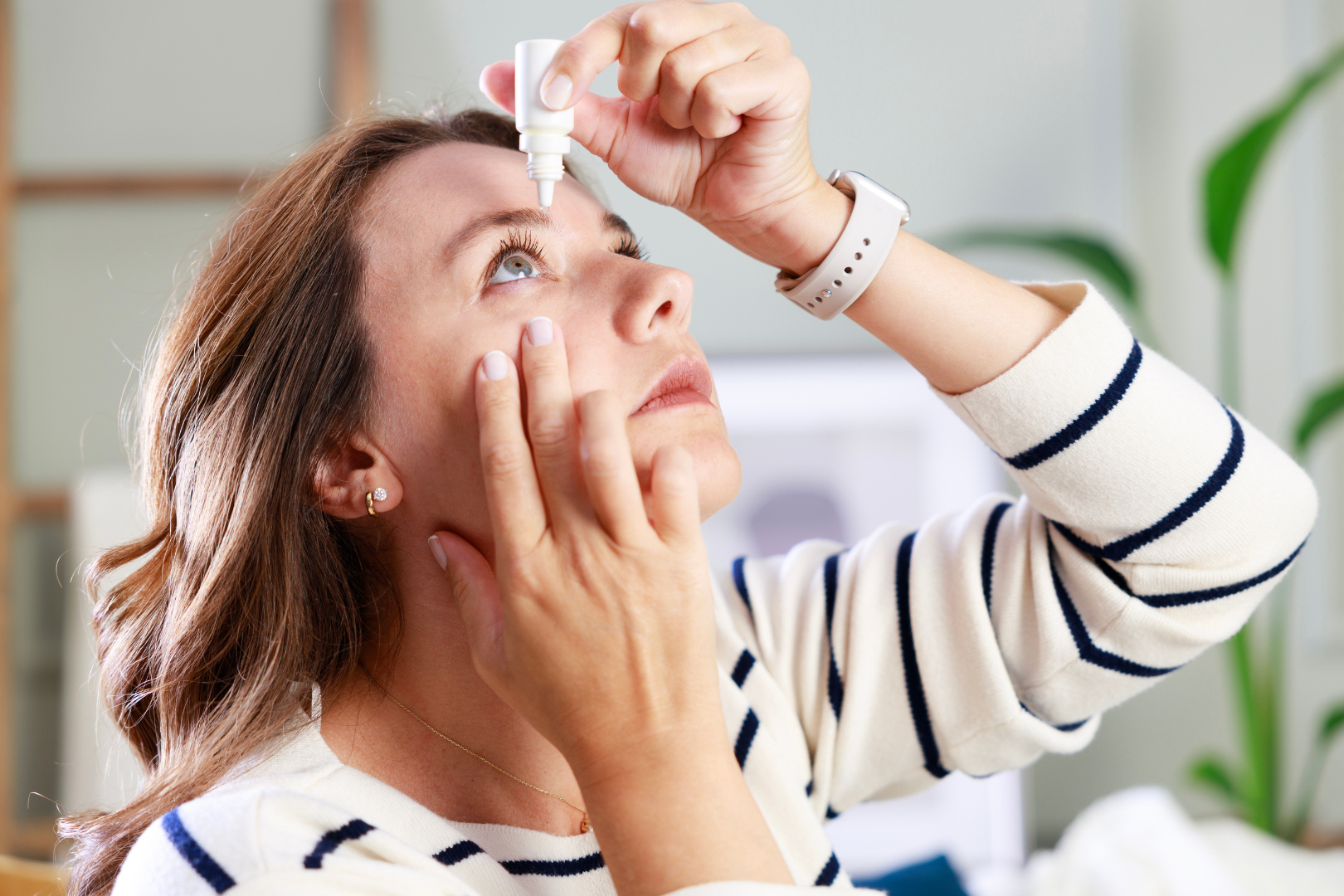
Georgia winters are mild compared to most of the country, but plenty of people in Johns Creek still notice their eyes feel scratchy, tired or watery once November rolls around. The heat goes on, the air dries out and the holidays bring long drives, flights and late nights in front of screens.
If your eyes seem to get worse every year around this time, you’re not imagining it. Here’s why dry eye tends to flare up in the colder months and what you can do about it.
What Is Dry Eye?
Your eyes rely on a thin layer of tears to stay comfortable and see clearly. That tear film has water, oil and mucus, and each part has a job. When your eyes don’t make enough tears, or the tears evaporate too quickly, the surface of the eye gets irritated.
Dry eye is one of the most common reasons people visit an eye doctor. For some it’s a seasonal annoyance. For others it sticks around all year and gets worse with certain conditions.
Why Dry Eye Gets Worse in Late Fall & Winter
Indoor Heating
Forced air heat pulls moisture out of the air in your home, office and car. Lower humidity means your tears evaporate faster, which is why many people wake up with dry, sticky eyes once they start running the furnace.
Cooler, Drier Air Outside
Even on a sunny 50 degree day, the air in north Georgia holds less moisture in winter than it does in summer. Wind adds to the problem on walks, at youth sports games or while raking leaves.
Holiday Travel
Airplane cabins are very dry, and long road trips mean hours of focusing on the road with car vents blowing near your face. If you’re flying out of Hartsfield for Thanksgiving, your eyes may feel it before you land.
More Screen Time
Shorter days often mean more time indoors on phones, tablets and laptops. People blink less often when they stare at a screen, so tears aren’t spread across the eye as often as they should be. Our post on digital eye strain covers this in more detail.
Common Signs of Dry Eye
Dry eye doesn’t always feel dry. Symptoms can include:
- A gritty or sandy feeling, like something is stuck in your eye
- Burning or stinging
- Redness
- Blurry vision that clears when you blink
- Watery eyes, which is your eye’s reaction to irritation
- Contact lenses that feel uncomfortable by the afternoon
- Tired eyes at the end of the day
Watery eyes surprise a lot of people. When the surface of the eye is irritated, it can produce extra reflex tears that don’t have the right balance to keep it comfortable.
Simple Ways to Ease Winter Dry Eye at Home
Add Moisture to the Air
A humidifier in your bedroom or home office can help, especially overnight. Try to keep heater and car vents pointed away from your face.
Follow the 20 20 20 Rule
Every 20 minutes, look at something about 20 feet away for 20 seconds. It gives your eyes a break and reminds you to blink.
Stay Hydrated
Holiday schedules make it easy to forget water, and coffee and wine don’t count. Drinking enough water throughout the day helps your whole body, eyes included.
Use the Right Eye Drops
Artificial tears can help with mild symptoms. Some drops on the drugstore shelf are made to “get the red out,” and those can make dryness worse with regular use. Ask your eye doctor which drops fit your eyes best.
Give Your Contacts a Break
If your lenses feel dry by midday, wear your glasses for part of the day, especially on travel days. Your doctor may also suggest a different lens or solution. You can read more about lens options on our contacts page.
When to See an Eye Doctor for Dry Eye
Home care helps many people, but it’s time to book a visit if your symptoms last more than a couple of weeks, keep coming back or make it hard to read, drive or work. Dry eye can also be linked to other health conditions, certain medications and changes in the glands along the eyelids, so a proper exam matters.
An eye doctor can look at the quality of your tears and the health of the eye’s surface, figure out what type of dry eye you have and recommend a plan that fits. Treatment varies from person to person, so it’s worth getting answers instead of guessing at the pharmacy.
Why Choose Johns Creek Eyecare for Dry Eye Care
Johns Creek Eyecare has a dedicated Dry Eye Center as part of our eye care services. Our office uses tear film analysis along with other diagnostic technology to see what’s going on, and our doctors are certified in the treatment and management of ocular disease. We take time to explain what we find and talk through options that work with your routine.
Our patients have also voted us Best Eye Care in the My Johns Creek/Duluth Community’s Choice Awards in 2024, 2025 and 2026, and we’re grateful for that support.
If you still have vision benefits left this year, a dry eye visit before the holidays is a good way to use them.
Schedule a Dry Eye Exam With Johns Creek Eyecare in Johns Creek, GA
Dry, irritated eyes don’t have to be part of every winter. Schedule an appointment with Johns Creek Eyecare and let our team help you feel comfortable through the holiday season and beyond.
OPENING HOURS
| Monday-Thursday | 9:00am – 5:00pm |
| Friday | 9:00am – 2:00pm |
| Saturday-Sunday | CLOSED |
